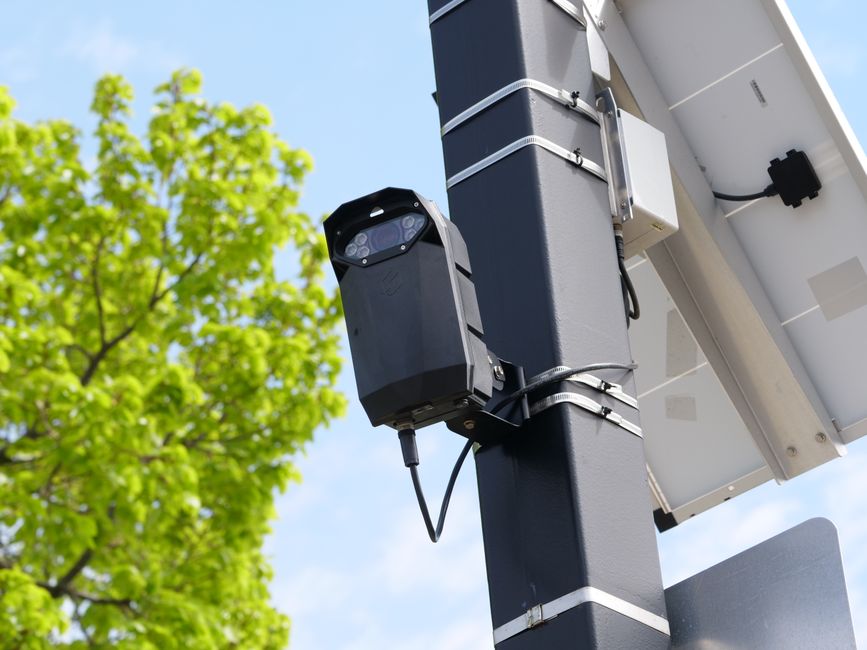
The Invisible Backbone: Why Smart Infrastructure Sensors Define Modern Operational Maturity
\n\n
Most organizations view infrastructure as a sunk cost—a static physical reality that either functions or fails. High-performance leaders, however, treat infrastructure as a dynamic data stream. The deployment of smart infrastructure sensors represents the transition from reactive maintenance to predictive strategy. When you move from human-led inspections to automated, continuous monitoring, you stop managing assets and start managing outcomes.
\n\n
The primary constraint in operational excellence is rarely a lack of desire to improve; it is a lack of high-fidelity data. Without sensors, your decision-making process is anchored to historical failures. With them, you gain the ability to perceive the physical state of your enterprise in real-time, allowing for a level of decision-making precision that was previously impossible.
\n\n
The Shift from Maintenance to Predictive Strategy
\n\n
Traditional infrastructure management relies on schedules. You inspect a bridge, a power grid, or a server facility because the calendar dictates it. This creates a binary reality: the asset is either working, or you are scrambling to fix it after it breaks. Smart sensors collapse this gap.
\n\n
By integrating IoT-enabled hardware into the physical architecture, leaders gain visibility into structural integrity, energy consumption, and environmental stressors before they reach a critical threshold. This is not merely about avoiding downtime; it is about operational excellence. When you know exactly when a component will fail, you can allocate capital and labor with surgical efficiency. You stop over-maintaining healthy assets and start focusing resources on the specific nodes that threaten your continuity.
\n\n
The Economic Logic of Real-Time Visibility
\n\n
The business case for smart infrastructure is rooted in the reduction of variance. In any complex system, variance is the enemy of profit. Unplanned downtime, unexpected repairs, and inefficient resource allocation are all forms of variance that bleed value from the bottom line. Sensors act as the feedback loop that tames this variance.
\n\n
\n
Precision Timing: Replace periodic maintenance with condition-based maintenance, extending the lifecycle of high-value assets.
\n
Risk Mitigation: Identify structural or mechanical degradation before it impacts safety or production output.
\n
Capital Allocation: Direct investment toward infrastructure upgrades based on actual usage and fatigue data rather than gut feeling.
\n
\n\n
Integrating AI into the Physical Layer
\n\n
Data without intelligence is noise. The sheer volume of telemetry generated by thousands of sensors across a facility or city can paralyze a management team if they lack the right framework. This is where AI becomes the essential force multiplier for your physical assets.
\n\n
By feeding sensor data into machine learning models, leadership can move beyond simple alerts. Instead of receiving a notification that a motor is running hot, the system provides a probabilistic analysis of the failure timeline and the optimal window for intervention. This transforms the role of the manager from a firefighter to a strategist. You are no longer reacting to the physical world; you are orchestrating it.
\n\n
High-Performance Thinking in Asset Management
\n\n
Implementing smart infrastructure is as much a cultural shift as it is a technical one. It requires a commitment to high-performance thinking. Leaders must be willing to dismantle legacy silos where data is hoarded by maintenance crews and instead make it accessible for strategic planning.
\n\n
True strategy requires the courage to trust the data even when it contradicts the intuition gained through years of manual experience. If your sensors indicate that an asset is performing well, even if it looks worn, the ability to resist the urge to perform unnecessary maintenance is a hallmark of a mature, data-driven organization. This is the essence of execution: doing the right thing at the right time, based on the right information.
\n\n
Establishing a Feedback Loop for Longevity
\n\n
The most successful organizations don’t just install sensors; they build a culture around the insights they provide. This means establishing clear protocols for how sensor data influences the budget, how it shapes the training of maintenance staff, and how it informs the long-term roadmap of the company. Infrastructure is the foundation of your ability to deliver value. By treating it as a smart, responsive asset rather than a static cost, you build an organization capable of outperforming competitors who remain tethered to the inefficiencies of the past.